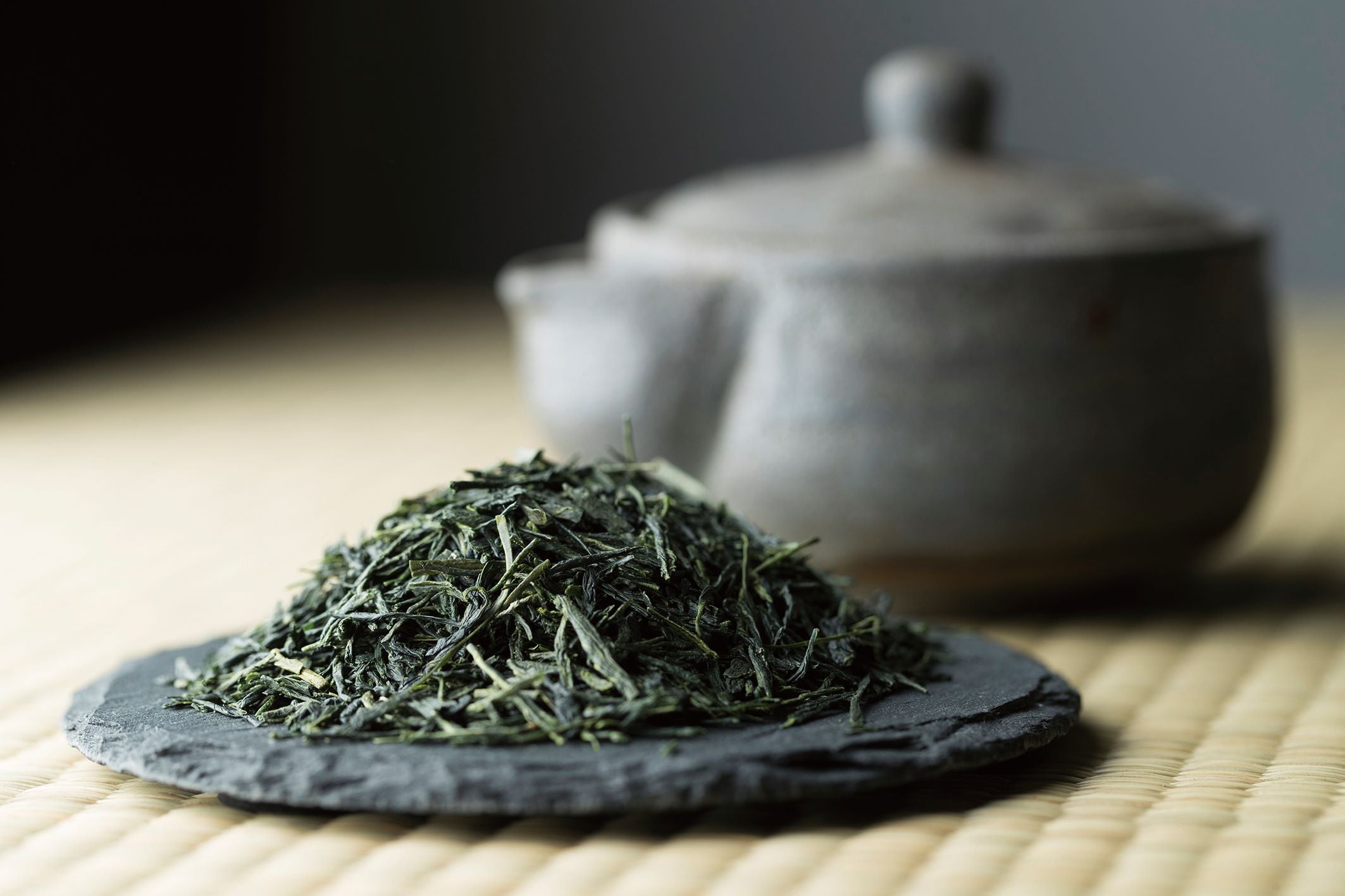
Rediscover the charm of bancha tea! Is it gentle on the stomach? How to choose it and how to drink it explained
Introduction
When you hear the name "bancha," some people may have an image of something cheap or low-grade.
However, bancha has been popular with Japanese people since ancient times and is in fact a tea with deep appeal.

What is Bancha?
Bancha, also written as "bancha," is exactly what it sounds like: a type of tea made from the tough leaves and stems that remain after the high-quality new buds of Ichibancha and Nibancha are picked.
Specifically, the raw materials include leaves that have grown too long and become hard, leaves that appear after the first and second harvests, third and fourth harvests that are harvested during the hot summer months, and leaves and stems that are cut off during pruning to promote the growth of the tea plants.

In particular, tea harvested before winter is called "Akito Bancha" and tea harvested in spring is called "Haru Bancha."
In addition, during the Sencha manufacturing process, large, irregular leaves are also used as ingredients for Bancha. In the Kansai region, these large leaves are sometimes called "Senryu" or "Aoyagi."

The origin of the name "Bancha"
There are various theories about the origin of the name "bancha," but it is generally believed that it came to be called "bangai" (extra tea), or "bonus tea," in contrast to the "honmei" (main) tea leaves such as Ichibancha and Nibancha.
It is also written as "bancha" (late tea), and one theory is that it was named after its late harvest time.

Bancha tea with a refreshing taste that is gentle on the stomach
Generally, bancha is considered to be a "low-grade tea," but it has unique characteristics.
It has a refreshing taste, is less bitter and astringent, is harder than new leaves, and has a low caffeine content, making it a popular tea that is easy to drink even for young children and those with weak stomachs.
In addition, the color of brewed bancha tea is light and transparent, giving it a refreshing impression. For this reason, it is often used as an ingredient for bottled tea.