Why cover tea trees? A comprehensive explanation of "cover cultivation"
Introduction
In tea plantations, a special cultivation method called "cover cultivation" is used, in which the tea plants are covered to block out sunlight.
What kind of changes does this cover cultivation bring to the tea leaves?

What is cover cultivation?
Cover cultivation is a cultivation method in which the tea plants are covered. By blocking sunlight and keeping the plants warm, the growth of new shoots slows down and the leaves are prevented from becoming hard.
As a result, it is possible to extend the picking period, resulting in harvesting tea that is softer and has better flavor.
In addition, keeping the fruit warm helps prevent frost and accelerates the picking season.

Purpose of cover cultivation
The main purpose of cover cultivation is to improve the quality of tea leaves. Blocking sunlight brings about significant changes in the components of tea leaves.
First, shading the tea leaves prevents the loss of amino acids and theanine, which are important components that give tea its umami and sweetness. 
Shading effect 1. Reduces bitterness
Theanine has the tendency to change into catechin (a bitter and astringent component) when exposed to sunlight, but by shading the tea from light, this change is suppressed, resulting in tea that is less bitter and has a mellower, sweeter taste.
On the other hand, the loss of caffeine, which is said to give coffee a refreshing bitterness, can be slowed down by blocking out light.
In other words, covered-cultivated tea has a deeper, richer flavor than regular tea leaves.

Shading effect 2. Vivid colors
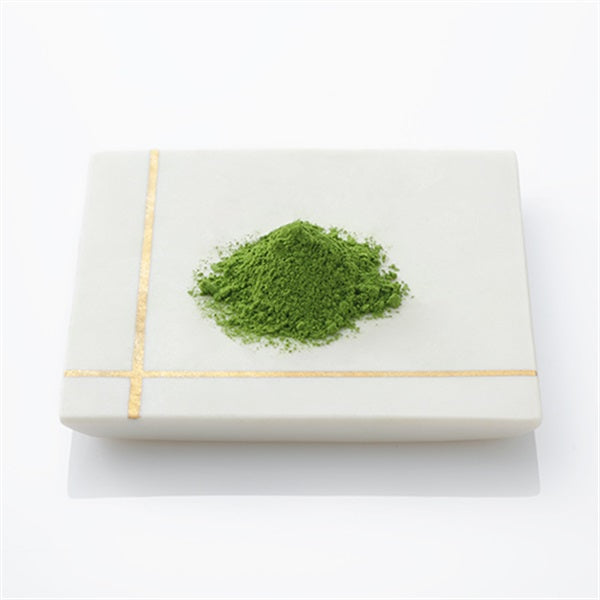
Shading also helps tea leaves grow a vibrant green color, as the amount of chlorophyll increases in order to make the most of the little light available.
This beautiful green color is a unique feature of covered cultivation, and its specialness is apparent even in a visual sense.

Light blocking effect 3. Unique fragrance
Another attractive feature is the refreshing aroma, similar to that of green laver, that is unique to covered cultivation and known as "covered aroma."

Types of tea produced using cover cultivation
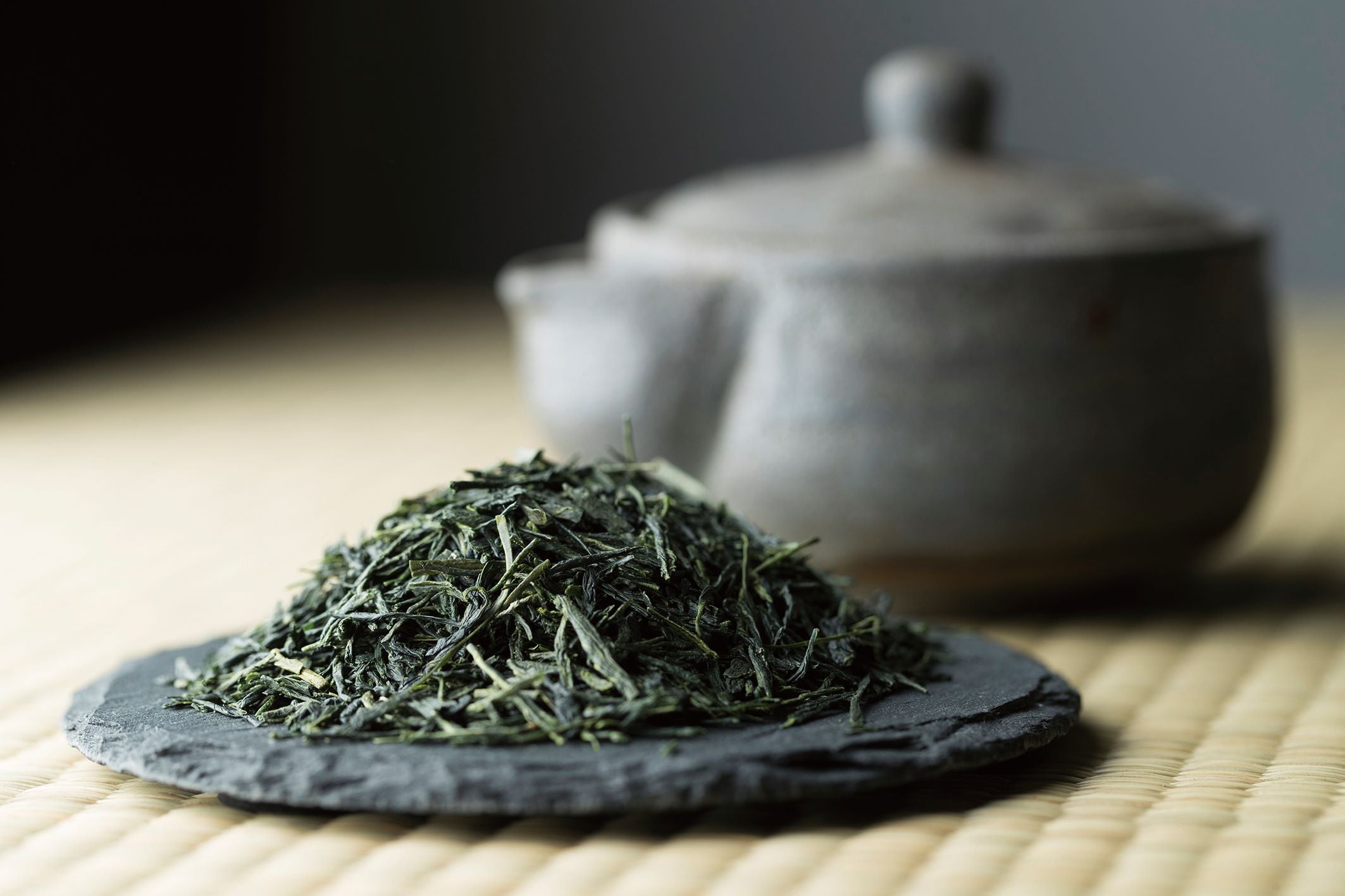
There are three types of tea produced using covered cultivation: Gyokuro, Tencha, and Kabusecha.

Gyokuro and Tencha
Gyokuro and tencha are grown by covering the entire tea plantation and shading it from light for long periods of time, resulting in the finest teas with a vibrant green color, rich flavor, and aroma.
Gyokuro in particular is known as the pinnacle of Japanese tea, while tencha is the raw material for matcha and requires the same high quality.
While Sencha is grown in full sunlight, Gyokuro and Tencha are grown in a special environment where the entire tea plantation is covered and shaded.
Specifically, when the new buds first open, they are first covered with a cover that blocks out about 55-60% of the light, and then the shading rate is increased to 95-98% so that the plants are grown in near darkness.
The harvest takes place about 20 days after the covering begins, when the new shoots are at their most delicious.

Covered tea
Kabusecha is a type of sencha that is simply covered for a shorter period of time than gyokuro or tencha, giving it a gyokuro-like flavor.
Because the shading period is short, around seven days, the flavor is not as rich as that of gyokuro or tencha, but it is characterized by a mellower and more refined taste than sencha.
Unlike gyokuro and tencha, which are grown in near-darkness, kabusecha is grown with a lower shading rate, a shorter period of cover, or even by covering the tea plants directly. Careful adjustments are made to suit the variety of tea and the desired quality.
Through these efforts, we are able to grow soft, juicy leaves that are high in moisture and low in fiber.
A variety of materials are used for covering, ranging from traditional materials such as reed screen, straw, and straw mats to modern black cheesecloth.

summary
In this way, covered cultivation is a special cultivation method that significantly enhances the flavor of tea.
Gyokuro and Tencha are famous examples of tea with these characteristics, and these high-quality teas are highly valued for their rich flavor, mellow aroma, beautiful green color, and other qualities, and are highly valued in tea ceremonies and special occasions.
The appeal of Gyokuro and Tencha teas comes from a special cultivation method called covered cultivation.