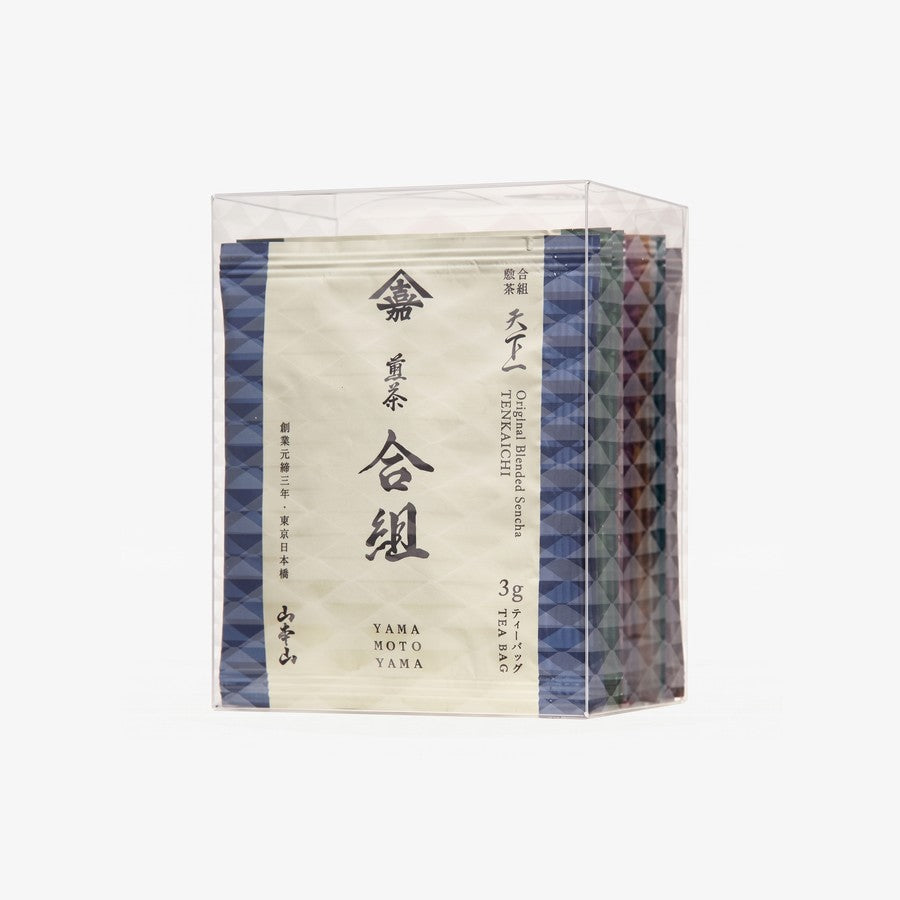
Digging deeper into the flavor of tea! Uncovering the secrets behind bitterness and astringency
Introduction
Tea has been loved by Japanese people since ancient times.
The taste varies depending on the type of tea, but one thing they all have in common is astringency.
The astringency felt on the tongue when you take a sip may be something some people like and others dislike, but this astringency is an essential element in talking about the profound depth of tea.

Bitter and astringent components in tea
The bitterness and astringency of tea are important elements that characterize the taste of tea. This time, we will explore what creates the astringency of tea.
Catechin
Catechins are not only responsible for the bitterness and astringency of tea, but are also known to have beneficial effects on our health, such as antioxidant properties.
The catechins contained in green tea are mainly divided into four types: shrimp catechin, epigallocatechin, epicatechin gallate, and epigallocatechin gallate. These catechins are further classified into free and ester types.
Free catechins are characterized by a relatively mild bitterness and a sweet aftertaste.
On the other hand, ester-type catechins bring about strong bitterness and astringency.It can be said that these ester-type catechins are responsible for the refreshing aftertaste that is characteristic of tea.

The amount of catechins varies depending on the type of tea
The amount and type of catechins contained in tea varies depending on the type and manufacturing method of the tea.
For example, regular sencha is especially rich in epigallocatechin gallate. Also, catechins do not dissolve easily in cold water, so cold tea has less bitterness and astringency, and you can enjoy a mellow flavor.
In this way, the bitterness and astringency of tea varies depending on the type and amount of catechins. The exquisite balance of these components creates the unique flavor of the tea we drink every day.

Caffeine
Caffeine is generally recognized as the ingredient that gives coffee its bitter taste and stimulating effect, but it is actually also found in tea, and its effects are similar to those of coffee.
Catechins are responsible for tea's strong bitterness, while caffeine provides a milder bitterness, giving tea a deep, full-bodied flavor.

Decaffeinated green tea has less flavor
Interestingly, even if coffee is decaffeinated, the bitterness from the catechins remains, so the overall bitterness does not change significantly.
However, when caffeine is removed from tea, the refreshing bitterness that is unique to tea is lost and the flavor changes significantly.
This shows that the flavor of tea, especially its pleasant bitterness, is closely related to the amount of caffeine.
Caffeine dissolves easily in hot water but does not dissolve easily in cold water, so the taste of tea changes greatly depending on the brewing temperature.

The first and second brews have different flavors
If you brew tea multiple times using the same tea leaves, the flavor will change each time.
During the first roast, you will often notice a refreshing bitterness or astringency, and the taste will be clean.
However, with each second and third brewing, the freshness fades and a strong bitterness becomes more pronounced.
This is because the ingredients in tea dissolve at different rates over time.

The first brew has the most umami flavor, while the second brew and onwards have the strongest astringency and bitterness.
Components such as umami and sweetness dissolve relatively quickly, so they are most abundant in the first brew and decrease with each brew.
On the other hand, catechins, which are the source of bitterness and astringency, dissolve slowly in heat and water, so they remain in relatively large amounts in the tea leaves. The more times the tea is roasted, the more they are extracted, making the bitterness and astringency more pronounced.