What is the 88th night? Explaining the season for new tea, its origins, and why drinking it brings good luck
Introduction: What is the "88th night" that marks the approach of summer?
When you hear "The 88th night marks the approach of summer," many people probably picture the scene of tea picking.
By the way, what exactly does the phrase "88th night" in this song mean?
The 88th night is one of the "miscellaneous festivals," which are seasonal turning points that have long existed in the Japanese calendar.
The 88th day after the beginning of spring (around February 4th), which is from late April to early May, is the best time to pick new tea, especially the first tea. The lyrics of the tea picking song refer to this season.

The 88th night, which usually occurs around early May, has long been considered a guideline for starting farm work.
As this is also the tea picking season, the "88th day" is strongly associated with new tea, and there is even a saying that "drinking tea picked on the 88th day will make you live a long life."
In fact, it has been found that the first buds picked, or Ichibancha, are the tea leaves richest in nutrients.

Why is drinking tea on the 88th day considered auspicious?
As the song goes, "The 88th night marks the approach of summer...", the 88th night falls around May 2nd.
Tea is harvested several times a year, but the first tea, made from the first picked buds, is especially treasured.
And there is a saying in many places that "tea picked on the 88th day after harvest is auspicious."
For example, there are sayings such as "If you drink tea on the 88th day after birth, you will not suffer from apoplexy (paralysis caused by cerebral infarction, etc.)" and "If you drink new tea on the 88th day after birth, you will live a long life," but these sayings also have scientific basis.

According to data examining the content of catechins, caffeine, and amino acids, the main components of tea leaves, the contents of these components are highest around the 88th day after brewing and then gradually decrease.
Catechin, the bitter component of green tea, is expected to have anti-carcinogenic effects, prevent lifestyle-related diseases, and antibacterial effects.
The bitter component caffeine helps relieve fatigue, while theanine, a type of amino acid, is said to have a relaxing effect.
In fact, a large-scale epidemiological study conducted by Osaka University revealed that drinking a lot of green tea is associated with a lower risk of death in people who have experienced stroke or myocardial infarction.
From these facts, it can be said that this legend is no mere superstition.

Of course, people in the past did not have detailed data on these ingredients.
However, from many years of experience, he may have known that "fresh tea drunk on the 88th day after harvest is good for the body."
Also, the 88th day is the season of fresh green leaves, full of vitality. Drinking tea at this time may have been thought to bring natural energy into the body.

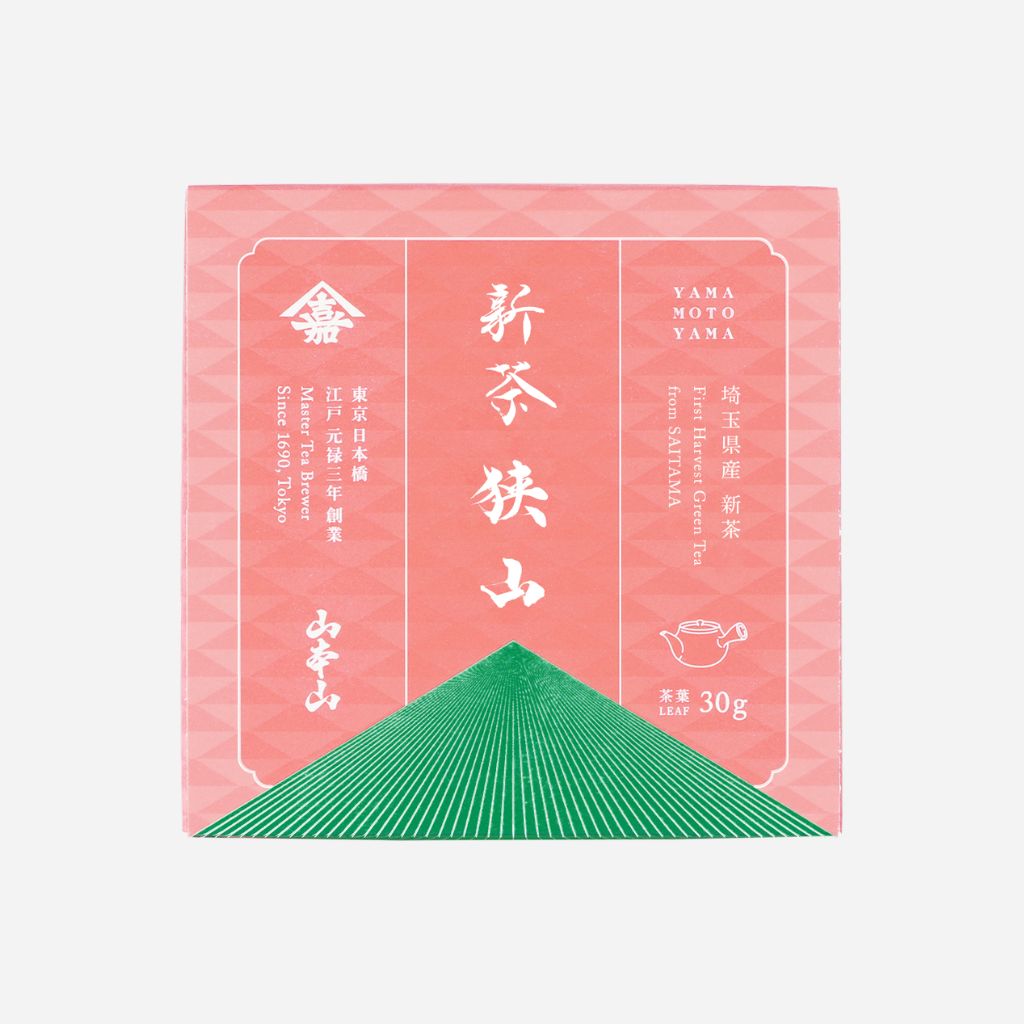
Announcement of freshly picked tea from Yamamotoyama
The long-awaited new tea season has arrived again this year.
As the first step, we have new tea from Kagoshima Prefecture, which has been bathed in the blessings of the sun! Please enjoy the rich flavor and refreshing taste that only new tea can offer.