Which is the best way to thank someone for a funeral? What is the difference between a thank you for attending a funeral and a condolence gift?
What is a funeral thank you?
A funeral thank-you gift is a gift given to those who attended the funeral. It is also called a kuyo.
The funeral thank-you gift is a token of gratitude for those who attended the funeral, and is given to all attendees regardless of whether they offered an incense gift or not.
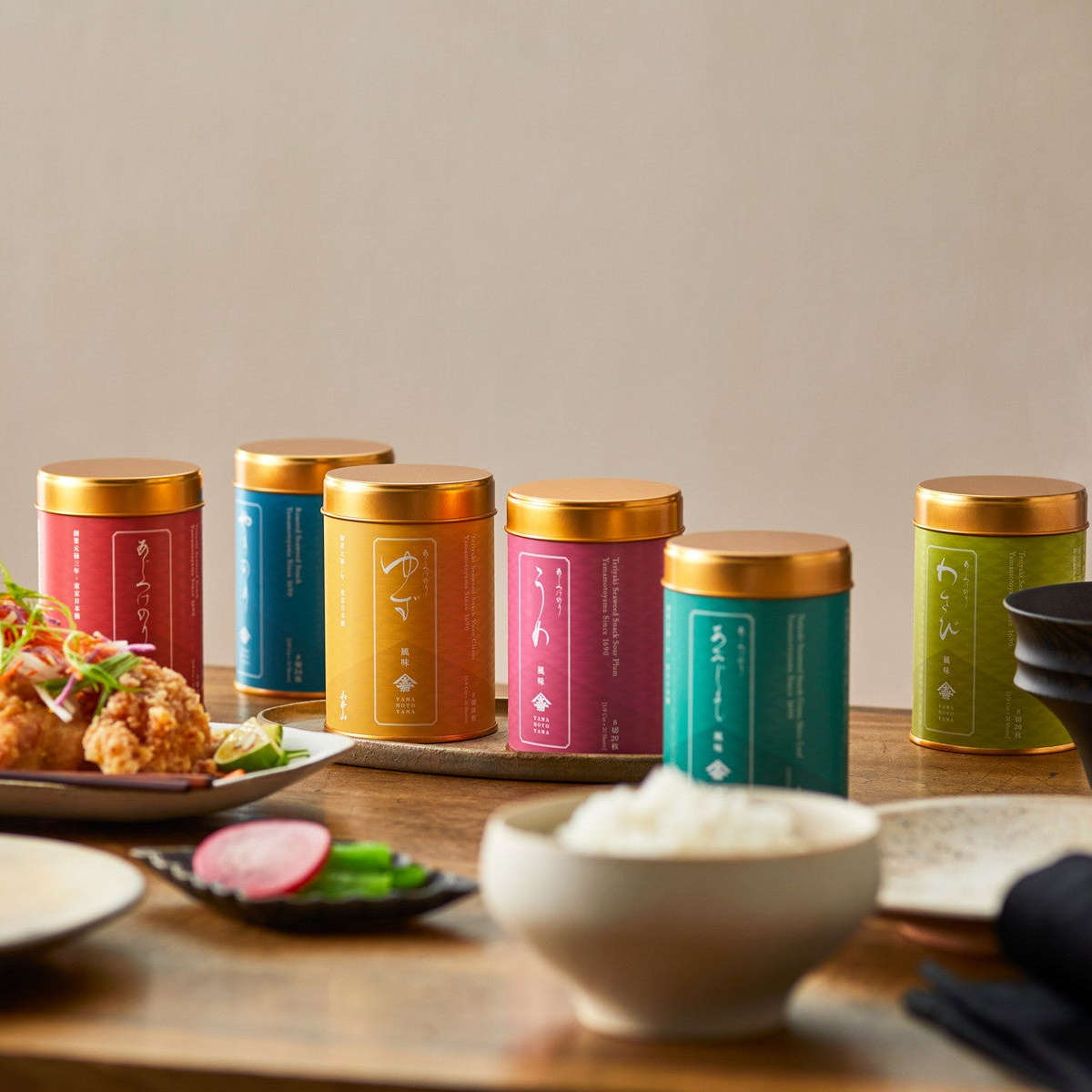
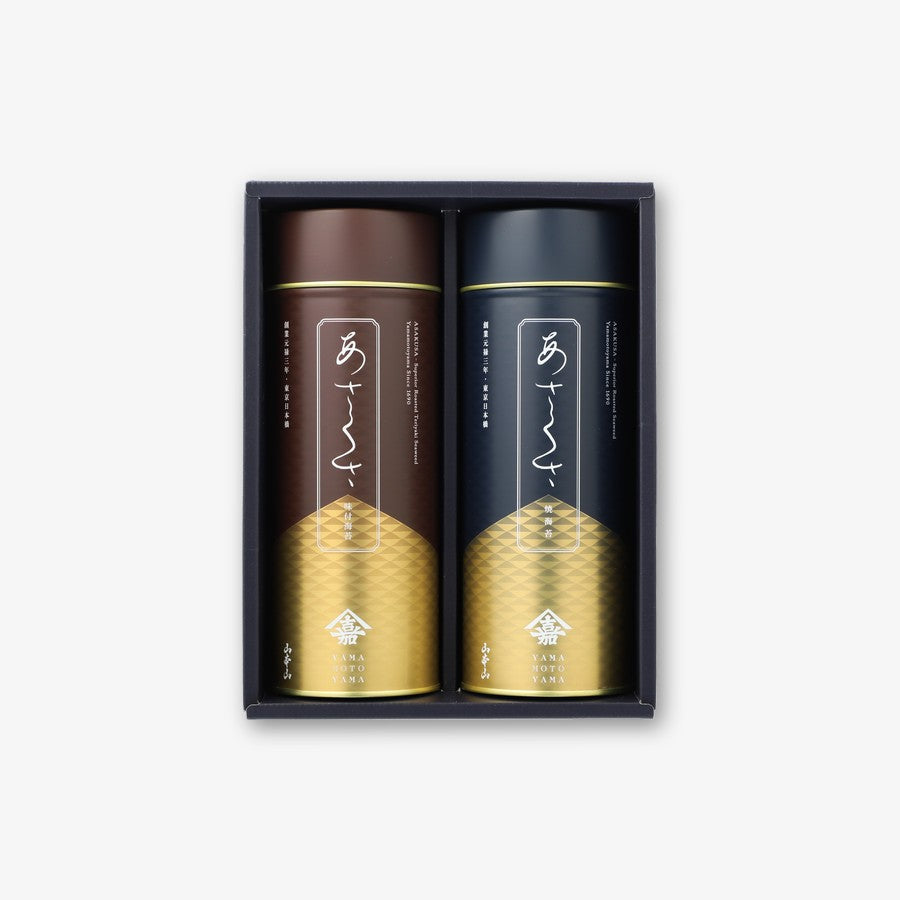
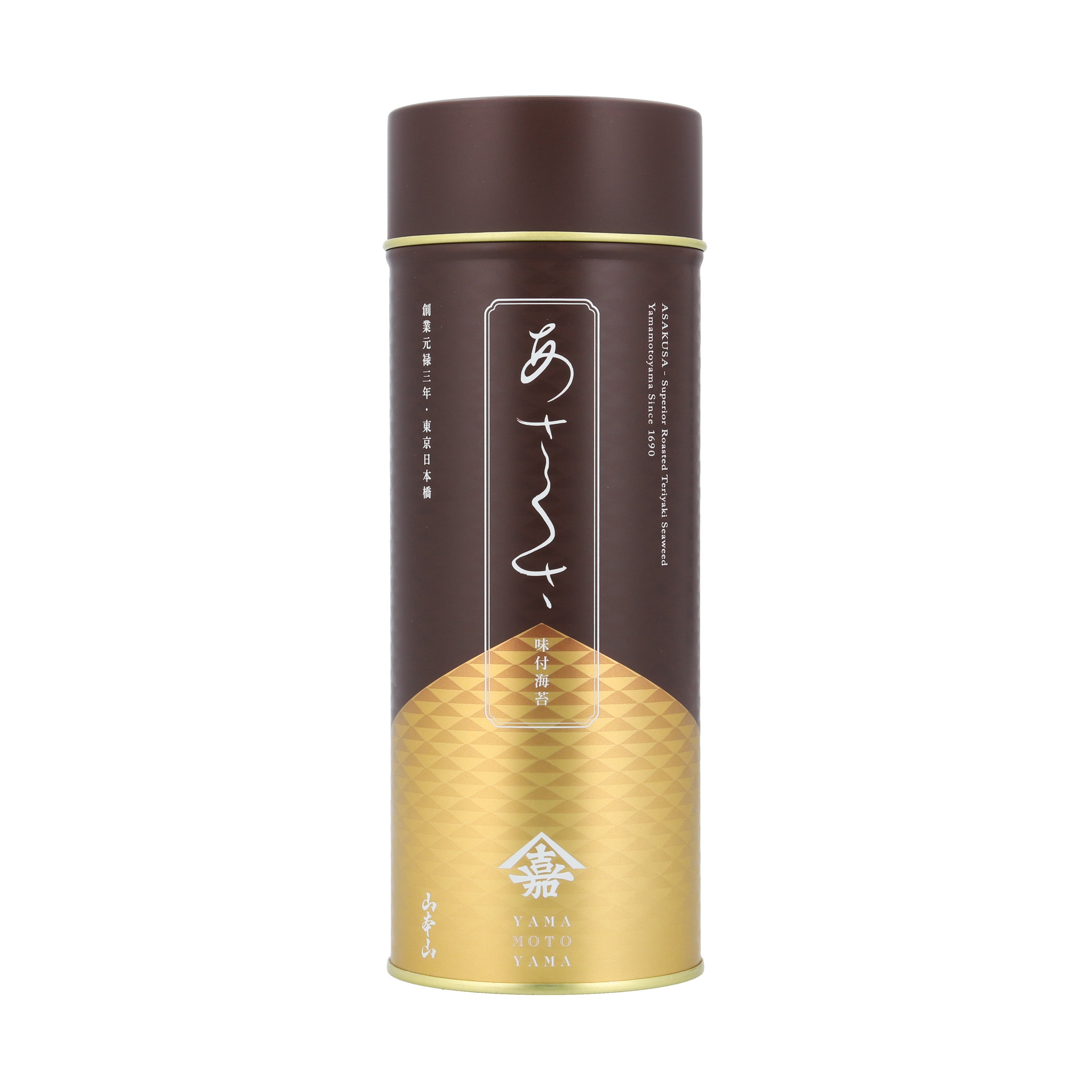
These are generally everyday items or items known as "perishables," such as tea, seaweed, sweets, detergent, etc. After the attendees have finished offering incense, they are handed over when they leave.

Gifts of thanks for attending a funeral
There are no rules for what to give, but items ranging from 500 to 1,500 yen are common. Consumables and Buddhist altar items are often chosen, but there are regional customs.
It's a good idea to prepare a few more than the number of guests.
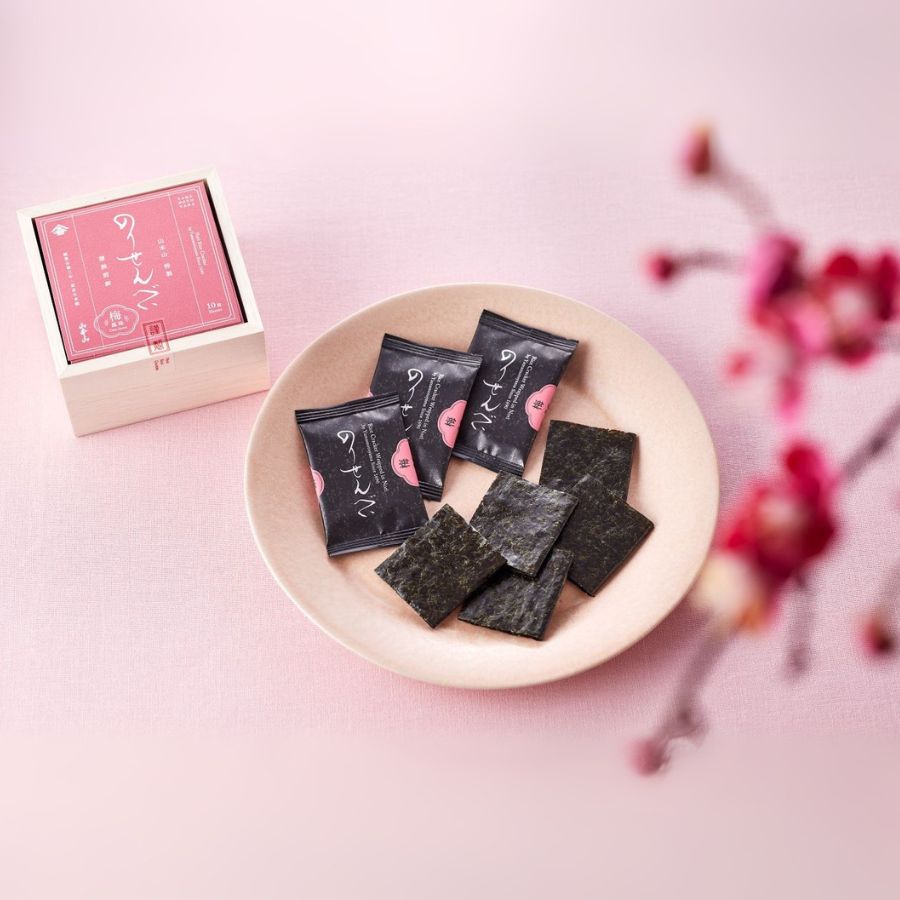
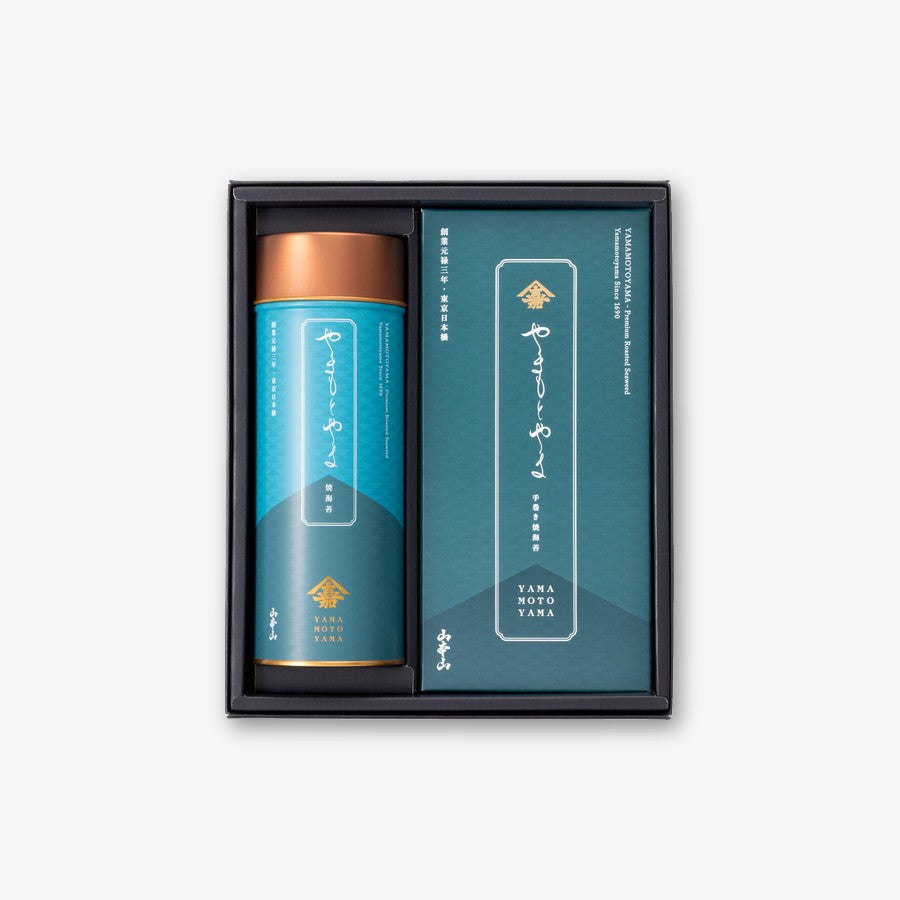
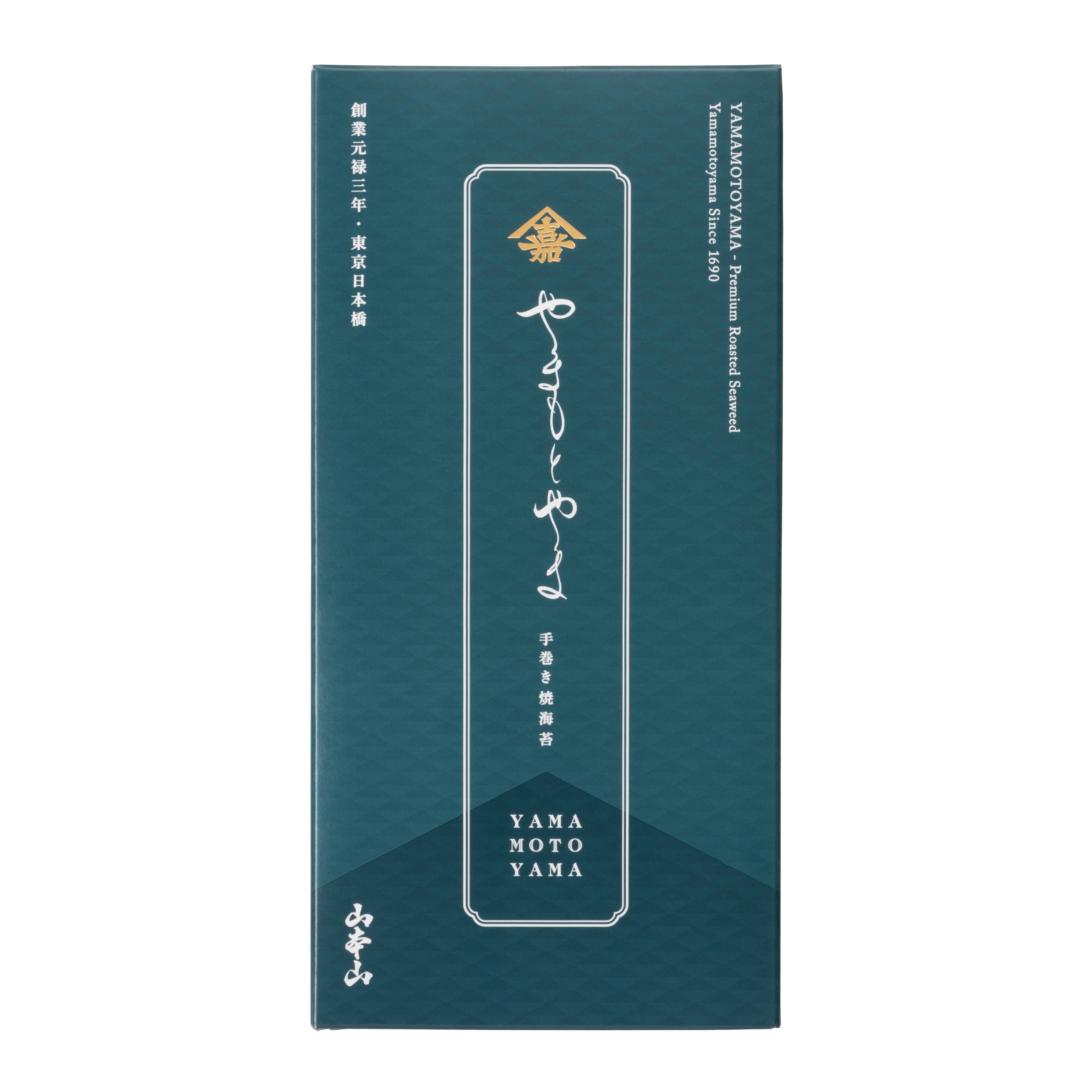
Gifts of thanks for attending the funeral typically consist of items worth 500 to 1,000 yen, such as handkerchiefs, tea, and seaweed , as well as purifying salt and a greeting card.

The difference between a funeral thank-you gift and a condolence gift
The difference between a funeral thank-you gift and a condolence gift is as follows:
- Thank you for attending the funeral: Expressing gratitude for those who attended
- Kodengaeshi: A gift of thanks for a condolence gift
The funeral thank-you gift is given to all attendees regardless of whether they have given a condolence gift or not. On the other hand, it is customary to give the condolence gift in return to those who have given a condolence gift after the 49th day has passed.
Recently, it is common to give a condolence gift on the day of the wake or funeral, but even in that case, the custom is to give the condolence gift and the thank you gift separately.
A funeral thank-you gift is an important way to convey gratitude to the deceased and to the attendees. Please observe proper etiquette when giving it.

Funeral thank-you gift
It is considered good manners to use black and white or yellow and white wrapping paper for thank-you notes for attending a funeral. Black and white are the colors used for Buddhist memorial services, while yellow and white are the colors used for Shinto funerals.
The Mizuhiki chosen is a knotted string that symbolizes a wish to prevent misfortune from continuing.
On the envelope, write "Thank you for attending the funeral" and write the giver's name under the knot. Depending on the region, "Thank you for the incense money" or "Ichirei" may be used. Be careful to make the name smaller than the envelope.

What you need for funeral attendance
- Gifts of thanks to attendees: We will provide items of around 1,000 yen each, such as handkerchiefs, tea, and seaweed, as a thank you for attending the funeral.
- Thank-you letter for attending the funeral : This is a letter to convey your gratitude for attending the funeral, which is sent with the gift of thanks. It is merely a greeting letter, so it does not need to be long.
- Purifying salt : Purifying salt may also be included with the funeral offering. In order to prevent attendees from bringing impurities into their homes, they sprinkle salt on their bodies in front of their homes when they return home.

Five points to consider when choosing a funeral gift
1. Choose what to dispose of
Funeral thank-you gifts are generally everyday items or perishable items such as tea, seaweed, sweets, detergent, etc. This is because perishable items are often chosen with the hope that the deceased will not be dragged down by their sadness.
2. Choose something that's easy to carry
Attendees will likely be carrying luggage, so choose something that is easy to carry.
3. Choose something that doesn't take up much space
Funeral thank-you gifts are often given in bulk, so choose items that don't take up much space.
4. Choose foods with a long shelf life
When it comes to food, choose products with a long expiration date.
5. Check allergen labels
Some people have food allergies, so be sure to check the allergy label.

Finally
You can have the funeral parlor arrange it for you, or you can purchase it yourself at the shop. Also, if you order by 10:00 a.m. at Yamamotoyama's online shop, we can ship the same day (excluding weekends and holidays). Please feel free to use this service.