How much folic acid is in seaweed? Here's the recommended amount to eat and how to eat it
Introduction
Nori is rich in nutrients such as vitamins, minerals, and dietary fiber, but the most important of these is folic acid, which is important for pregnant women.
This time, we will introduce the amount of folic acid contained in seaweed and effective ways to consume folic acid during pregnancy and when trying to conceive.

What is folic acid?
Folic acid is a water-soluble vitamin that is a type of B vitamin. It is involved in cell division and DNA synthesis, and plays a particularly important role in the development of the fetal neural tube. The neural tube is an important tissue involved in the formation of the brain and spinal cord, and a deficiency of folic acid increases the risk of neural tube defects such as anencephaly and spina bifida.

The importance of folic acid during pregnancy and trying to conceive
The early stages of pregnancy are an important time for the formation of the fetal neural tube. Therefore, it is important to take in sufficient folic acid during this time. However, there are often no subjective symptoms during early pregnancy, making it difficult to realize that you are deficient in folic acid.
The Ministry of Health, Labor and Welfare recommends that women who are planning to become pregnant or are in the early stages of pregnancy take 400 μg of folic acid per day in the form of a supplement. However, it is also important to actively consume folic acid through your diet.

Risks of folic acid deficiency
Folic acid is a nutrient that plays an important role in preventing neural tube defects in the fetus during early pregnancy. Neural tube defects are diseases that cause malformations of the brain and spinal cord. By taking in sufficient folic acid during early pregnancy (around the 5th to 8th week of pregnancy), the risk of neural tube defects can be significantly reduced.
[Examples of neural tube defects caused by folic acid deficiency]
- Spina bifida: The spinal cord does not close completely, causing the spine to split into two.
- Anencephaly: Underdeveloped brain and partial skull loss
- Microcephaly: Small brain and skull
- Hydrocephalus: Excess cerebrospinal fluid in the ventricles of the brain
These disorders can cause the fetus to die or leave the baby with severe disabilities after birth.
The Ministry of Health, Labour and Welfare recommends that women who are planning to become pregnant or are in the early stages of pregnancy take 400 μg of folic acid per day.
However, the 2019 National Health and Nutrition Survey found that the average daily folic acid intake of Japanese people was 288.7 μg, which is far below the recommended intake.
It is said that it is difficult for many women to obtain the recommended amount of folic acid through diet alone, and so they supplement with supplements.
To ensure you are taking in enough folic acid, be sure to eat foods that contain folic acid, including seaweed.

Amount of folic acid in seaweed
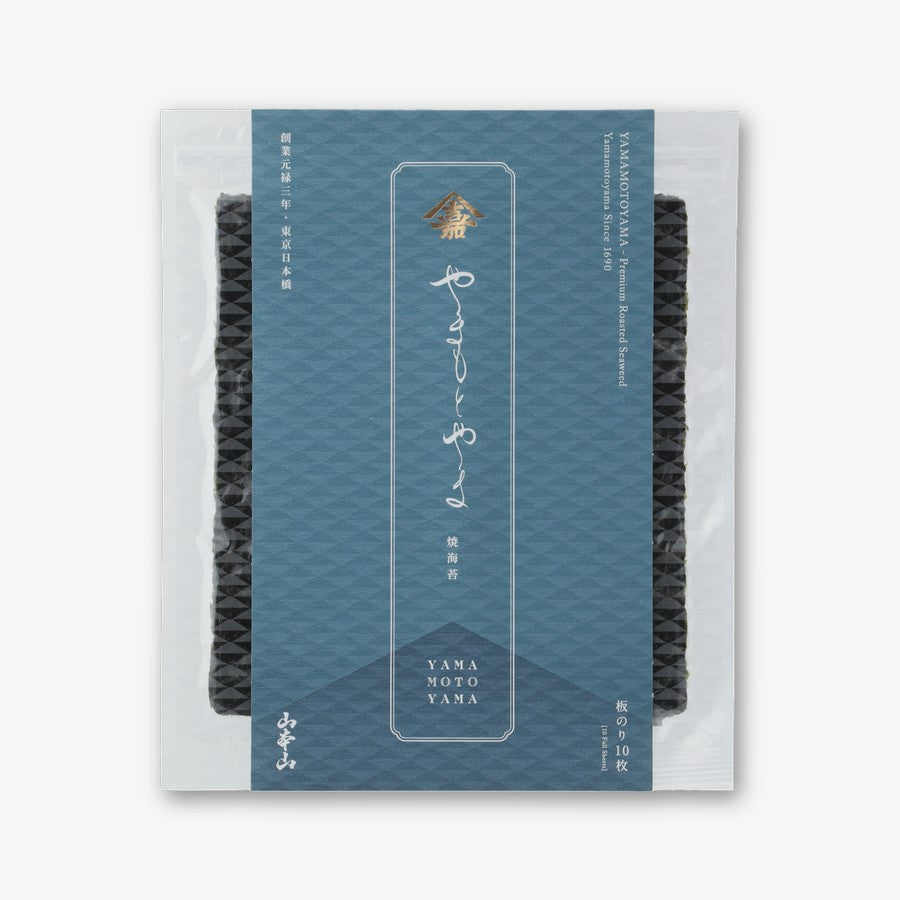
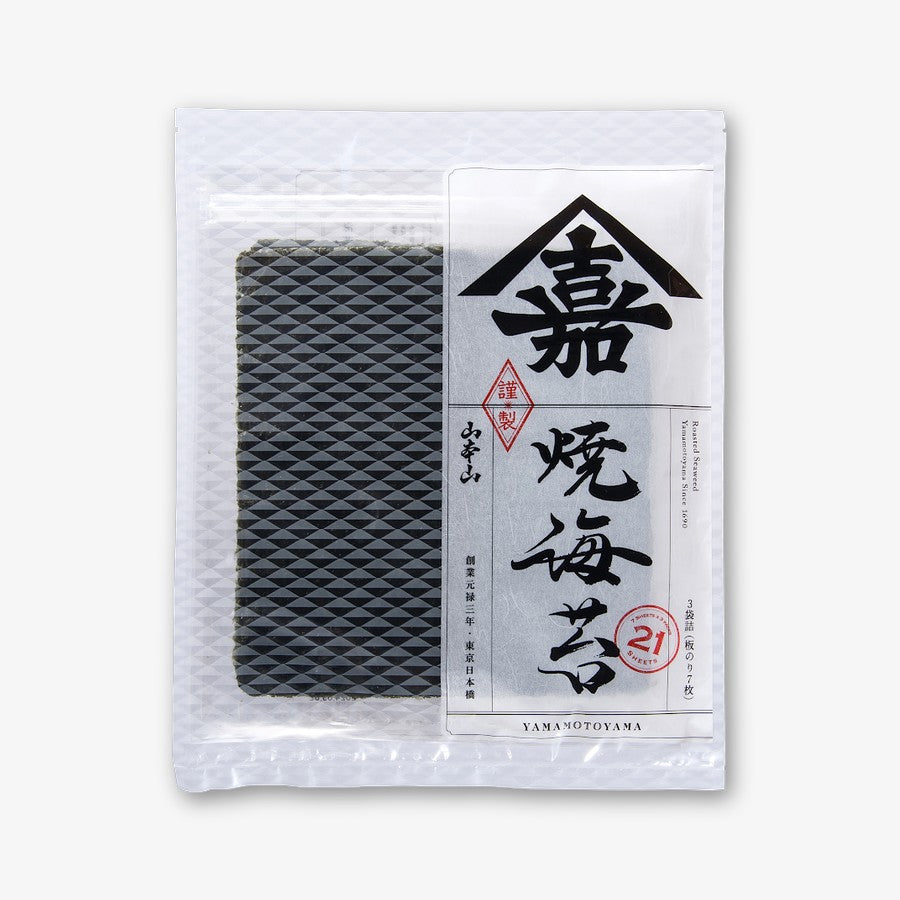
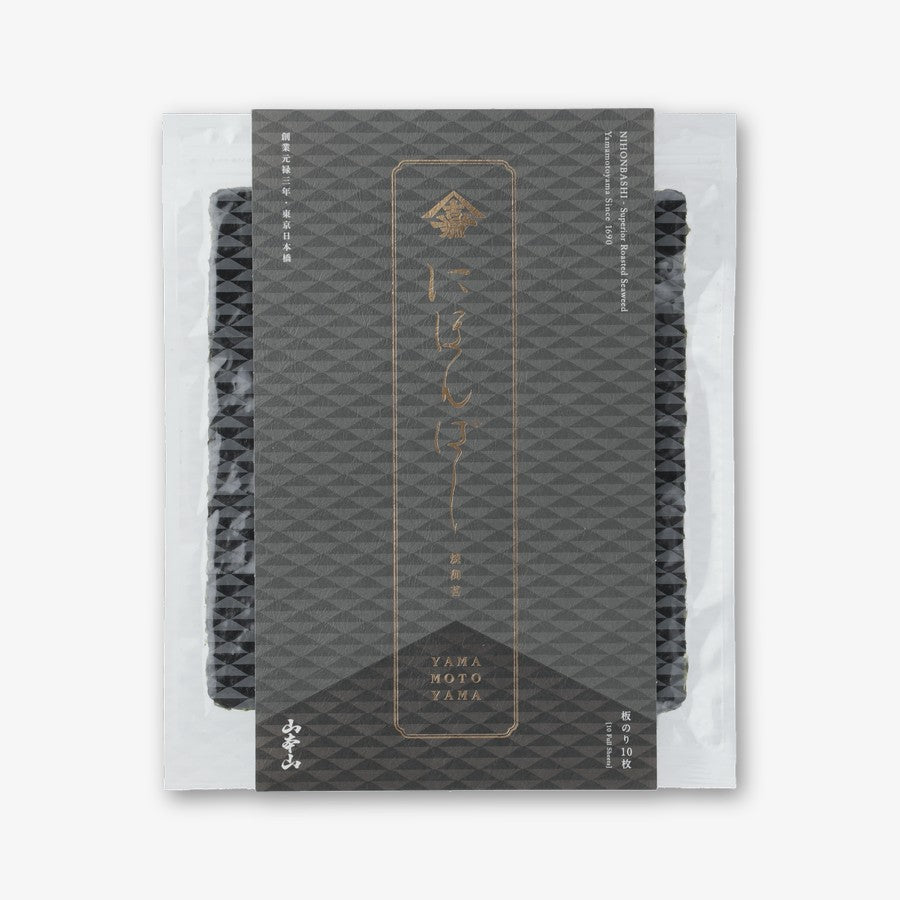
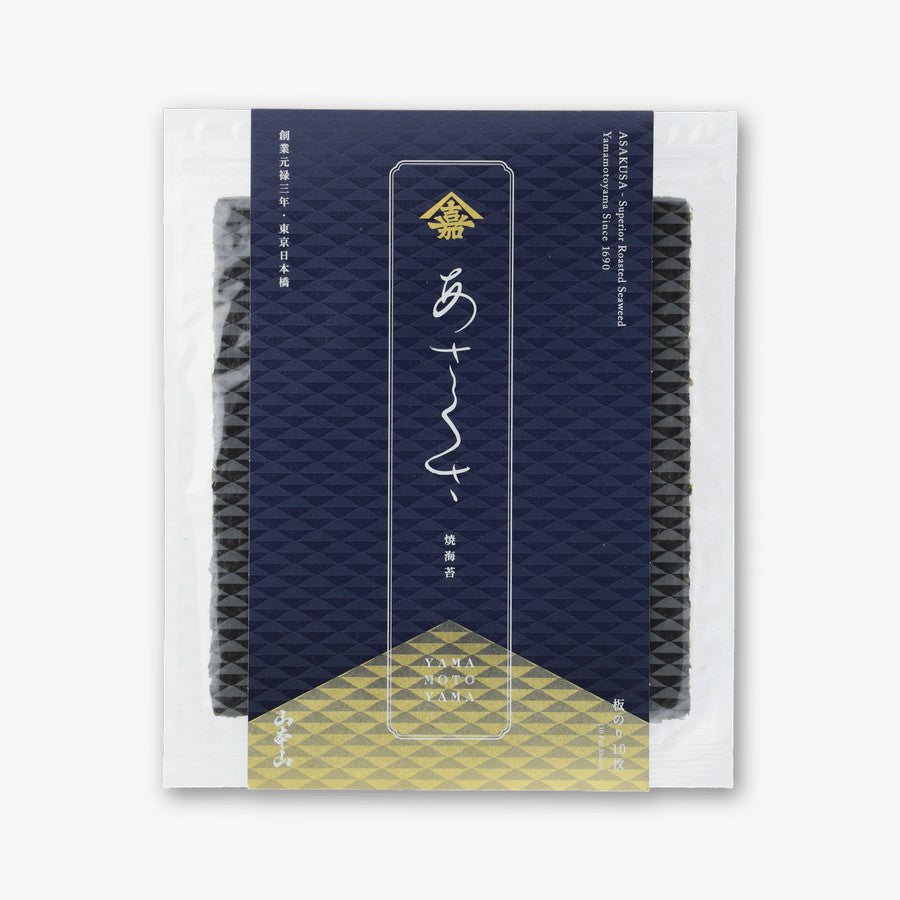
Seaweed is known to be a food rich in folic acid.
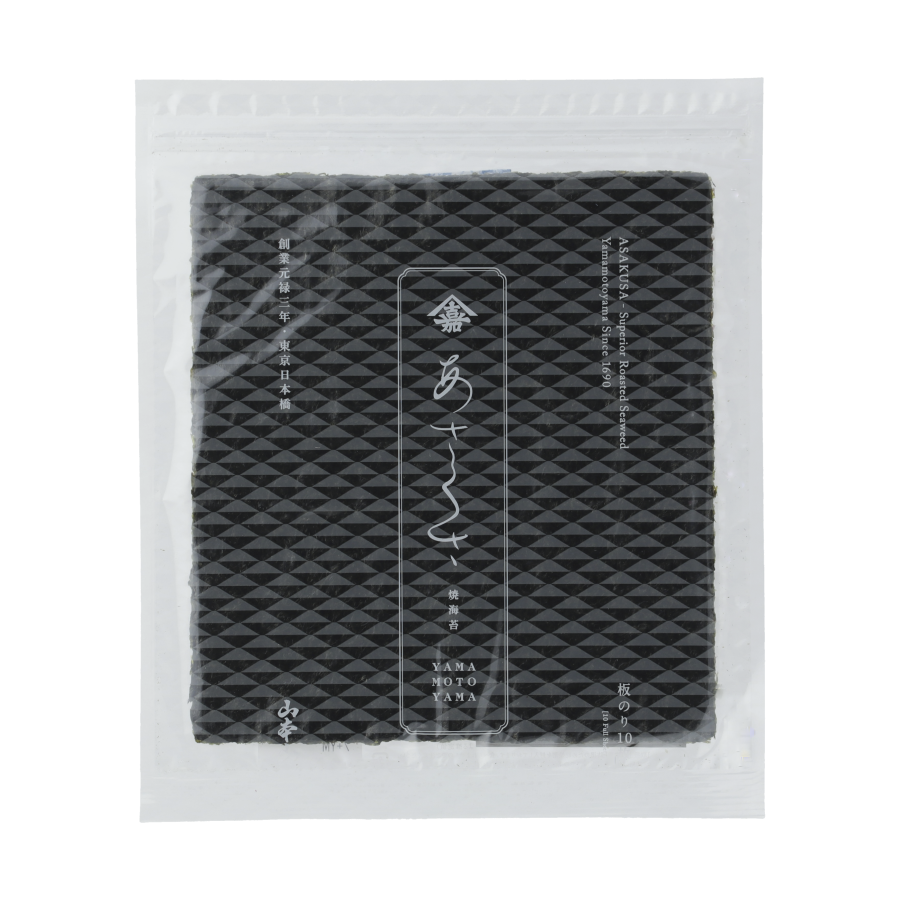
One sheet of roasted seaweed (about 3g) contains about 57μg of folic acid, which is about 14% of the recommended intake of 400μg for Japanese people.
Here's a comparison with other foods high in folic acid:
Roasted seaweed (100g): approx. 1890μg
Liver (100g): approx. 260μg
Edamame (100g): approx. 180μg
Spinach (100g): approx. 100μg
Natto (1 pack): approx. 50μg
Broccoli (100g): approx. 40μg
By eating roughly two full-sized sheets of roasted seaweed every day, you can meet the recommended intake during early pregnancy set by the Ministry of Health, Labour and Welfare.

Recommended ways to eat seaweed during pregnancy and pregnancy
As you can see, seaweed contains a lot of folic acid compared to other foods. Many people take it in supplement form, but it is also important to get it from food.
Nori is a food that allows you to easily consume folic acid. If you are pregnant or trying to conceive, why not try incorporating it into your diet?
Many people may not be used to eating seaweed on a daily basis, but you can easily incorporate it into your daily meals by using it in the following ways.
- Tear it up and add it to miso soup or hot pot: Tear it up and add it to miso soup or hot pot to enrich the flavor and increase the nutritional value. You can also consume a large amount.
- Snack : Enjoy as a snack by eating it as is or wrapping it in seaweed.
- Accompaniment for rice : Eat roasted seaweed as is or make it into rice balls to incorporate into your daily meals. We also recommend preparing it into tsukudani.
- For salad dressing : Simply chop up roasted seaweed and add seasonings to make a flavorful dressing.
summary
Seaweed is a food rich in folic acid, an important nutrient for pregnant women. Include seaweed in your daily meals to actively consume folic acid.
Yamamotoyama is supporting child rearing! We are currently preparing to start a regular seaweed delivery service. We will notify you once it has started, so please feel free to use it.